GE Enduris Roof Coating
Not every coating job is a full install. Some roofs just need a section fixed. Here's how to know which one you're dealing with.
Installs
It's usually a flat or low-slope roof: over the garage, on a back addition, or on top of a city home where nobody looks at it. Rain leaves puddles that sit for a day or two. The surface has gone chalky or cracked, a few seams are starting to lift, or the metal is showing rust along the edges.
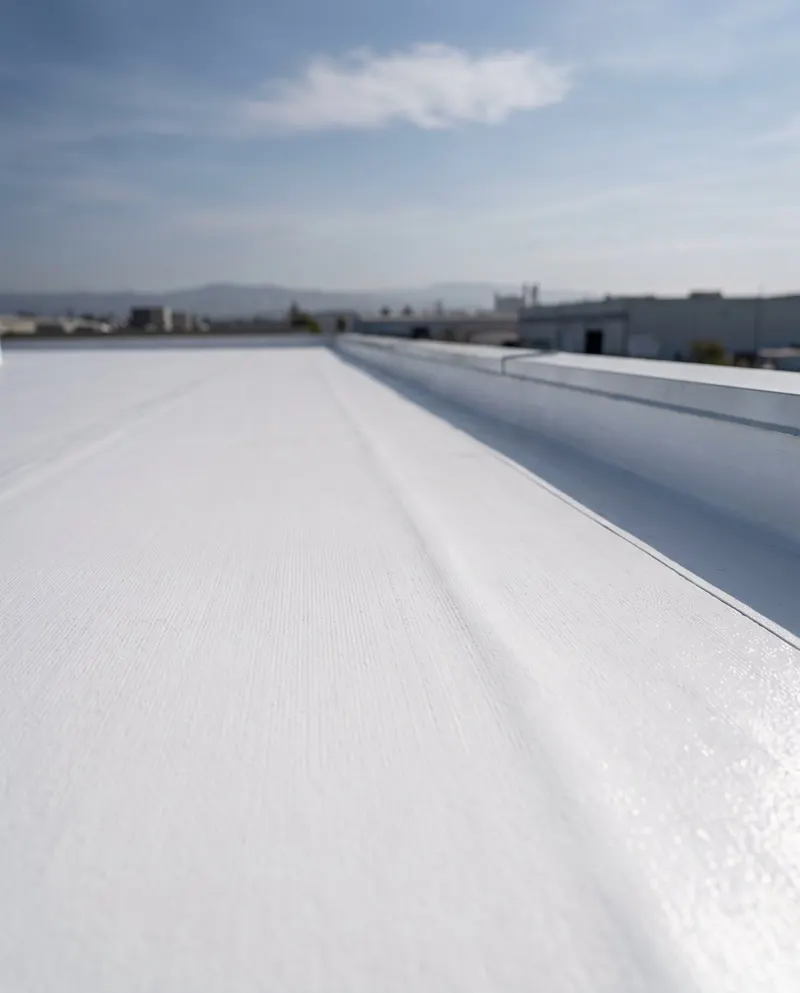
The roof isn't failing everywhere, but the surface is wearing out, and replacing it means tearing it all off and hauling it away. When the roof underneath is still solid, a silicone coating adds a new, seamless waterproof layer on top of it instead.
What's Involved
- A look at what's under the surface. The roof material, any old coatings, leak history, how it drains, and whether moisture is trapped inside. Wet insulation or rotted wood has to come out before anything gets coated. Some coating jobs also get a pre-job inspection, which is included in the price and doesn't change it.
- Adhesion testing. Small test areas on the actual surfaces being coated, including old patches and flashing, to confirm the coating bonds to each one.
- Cleaning. Dirt, loose material, and cleaning residue removed, with water pressure set so it doesn't damage seams or push water into the roof. The surface has to be completely dry before coating, which on Bay Area roofs means checking for fog and morning dew, not just rain.
- Repairs before coating. Seams, vents, blisters, and loose areas get treated with compatible sealant and reinforcing fabric first. On metal roofs, loose rust is removed, damaged panels replaced, and loose fasteners corrected.
- A stain-blocking base where it's needed. On asphalt-based roofs, an extra base layer keeps the asphalt from bleeding through and discoloring the finish.
- Coating applied to the thickness that matches your warranty. There's no single standard thickness, the coating goes on at whatever level supports the 10, 20, or 30-year warranty you choose.
- A manufacturer product warranty of 10, 20, or 30 years, depending on the thickness you choose. It covers replacement coating if the product itself fails.
- Before, during, and after photos. Reviewed with you from the ground.
When a roof isn't a good candidate for coating
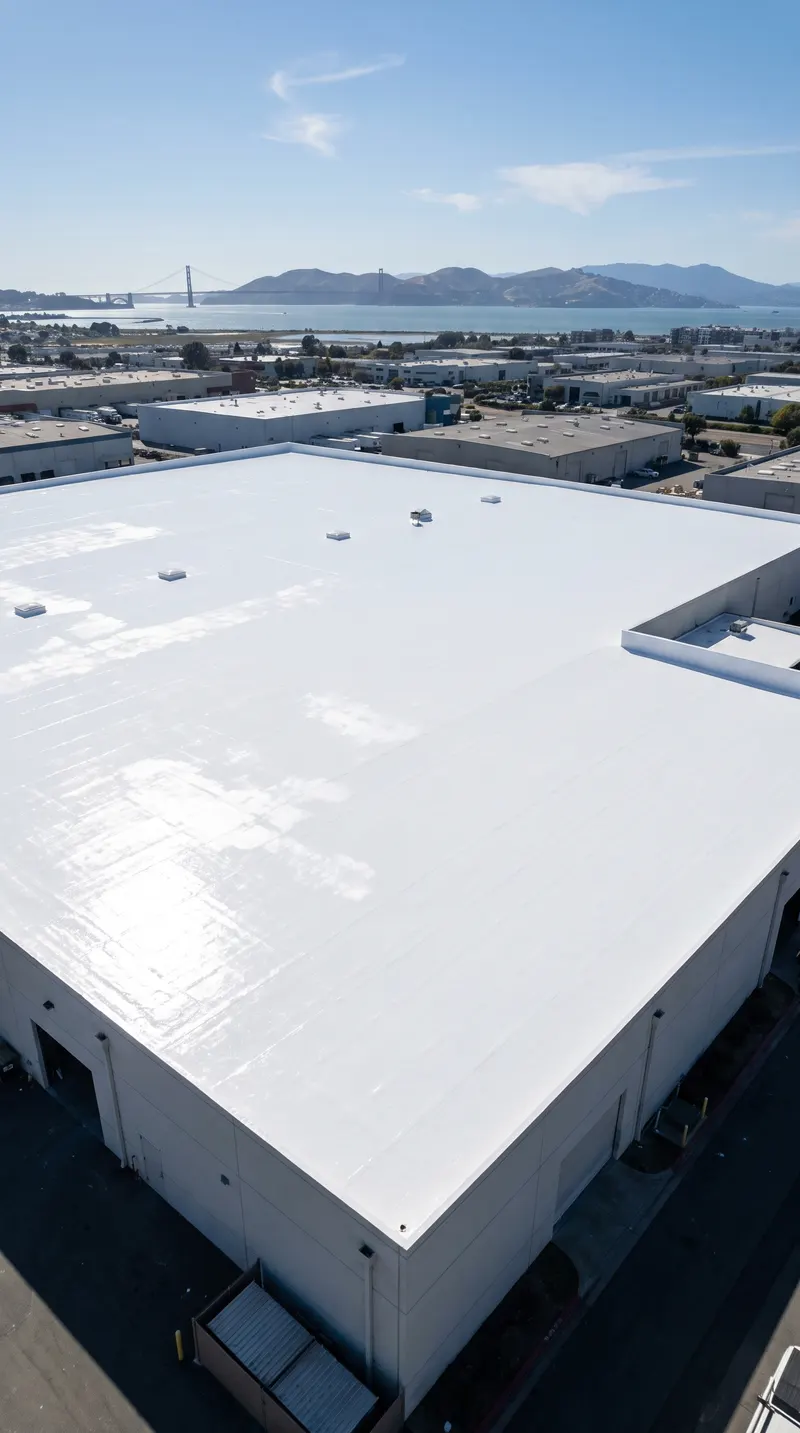
Coating seals a roof. It doesn't make a weak one strong. If the insulation underneath is soaked, the wood deck is rotting, the existing layers are loose or blistered across large areas, or the surface fails the adhesion test, the roof needs repair or replacement first. Gravel-covered roofs and older tar roofs aren't something we coat. If that's where your roof is, you'll hear it in person, whether or not Build Atlas does the replacement.
- You have a flat or low-slope roof with rolled roofing, a rubber or plastic membrane, metal, or spray foam.
- The surface is cracking, chalking, rusting, or opening at the seams, but the roof underneath is still solid.
- You'd rather renew the roof in place than tear it off and dispose of it.
- You want a white surface that reflects most of the sun's heat.
- Your roof is shingle or tile. Those have their own pages.
- The insulation or wood under the roof is wet or rotting.
- Your roof is gravel-covered or an older tar roof, we don't coat those.
You'll hear back within one business day. A technician comes out for a complimentary assessment, and you get a quote covering the roof's condition and the coating system and thickness, for one price, settled in writing before any work begins.
Repairs
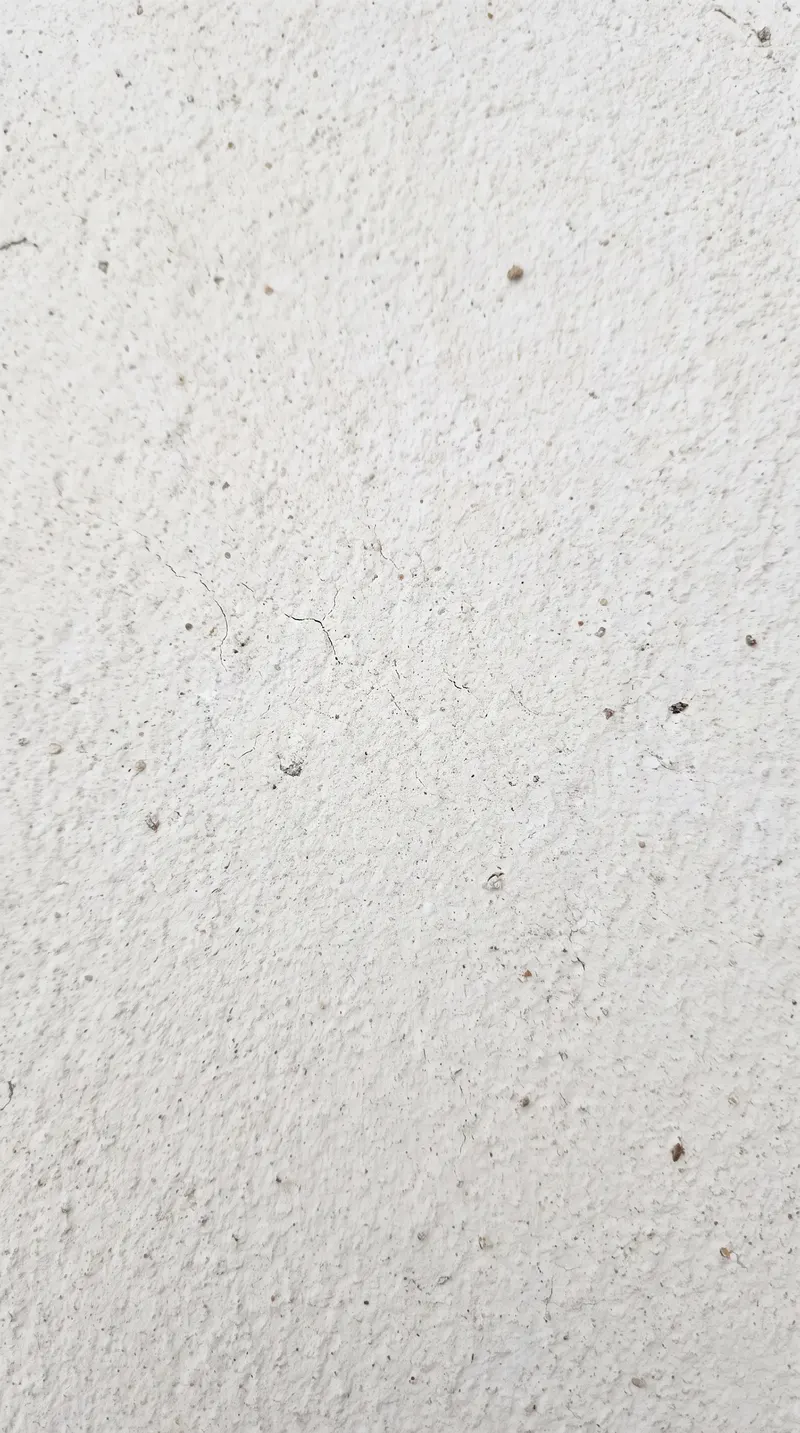
The coating held up fine until something happened to one spot. The HVAC technician was up there last month and now there's a drip under the unit. A branch came down and left a gash. A patch of coating has bubbled up, or an old repair near a vent has started peeling at the edges.
Silicone coating is built to handle sun and standing water, so when one spot fails, the cause is worth finding before the patch goes on. It might be foot traffic, a dropped tool, a thin area from the original application, or an earlier patch that never bonded. It might also be the roof underneath the coating, and that changes the repair.
What's Involved
- Checking for an active coating warranty first. If your roof already carries a manufacturer warranty, we confirm what's required before doing any repair work, so the repair doesn't put your existing coverage at risk.
- Identifying the existing coating. Enduris or another brand of silicone, and whoever applied it originally. We'll repair it as long as our repair material is compatible with what's already there.
- Finding how deep the damage goes. Whether it's only in the coating, or reaches the roof membrane, insulation, flashing, or wood deck underneath. Wet or damaged material underneath gets removed and repaired before the coating is restored.
- Sealing openings before cleaning. So wash water doesn't get into the roof. Then the area is cleaned of dirt, grease, and cleaner residue and left to dry completely.
- Cutting out what's failed. Blisters get cut open, loose coating comes off, and the roof beneath is checked for openings.
- Adhesion testing on every repair. Small test strips on each different surface in the repair area, left to cure at least a day before they're checked, standard practice so the materials are confirmed to bond before the real fix goes on.
- A dry weather window. The repair material skins over within an hour, but thicker areas take days to fully cure, so it goes on only on a dry surface with no heavy rain expected for at least a day.
- Rebuilding the damaged area. Liquid flashing with reinforcing fabric pressed between layers at vents, curbs, seams, and other spots that need extra strength.
- Photos of the repair. What was found and what was replaced, reviewed with you from the ground.
Repair, recoat, or replace
A spot repair makes sense when the damage is in one area, the coating around it is still well bonded, and the roof underneath is sound and dry. When the coating has thinned or worn in many places but the roof below is still solid, a full recoat after repairs is usually the better path. When there's trapped moisture, a failed membrane, or damaged wood across large areas, no coating will fix it, and the roof underneath needs repair or replacement first. There's no set percentage that decides this, it comes down to how well the coating is holding on, what's underneath, and whether the problems share one cause. If replacement is where your roof is, you'll hear it in person, whether or not Build Atlas does the replacement.
- Your flat or low-slope roof is already coated, and the damage is in one spot or a few: a puncture, a blister, a peeling area, or a leak at a vent or seam.
- An earlier patch has lifted or is leaking again.
- The rest of the coating is still intact and firmly attached.
- Your roof isn't coated yet. Start with Installs.
- The coating is thin, peeling, or bubbling across much of the roof. Start with Installs, a full recoat is the better starting point.
- The insulation or wood underneath is wet or rotting across large areas.
- You need the repair to come with a new warranty on the whole roof. A spot repair doesn't carry one.
You'll hear back within one business day. A technician comes out for a complimentary assessment, and you get a quote covering what failed and what the repair involves, for one price, settled in writing before any work begins.